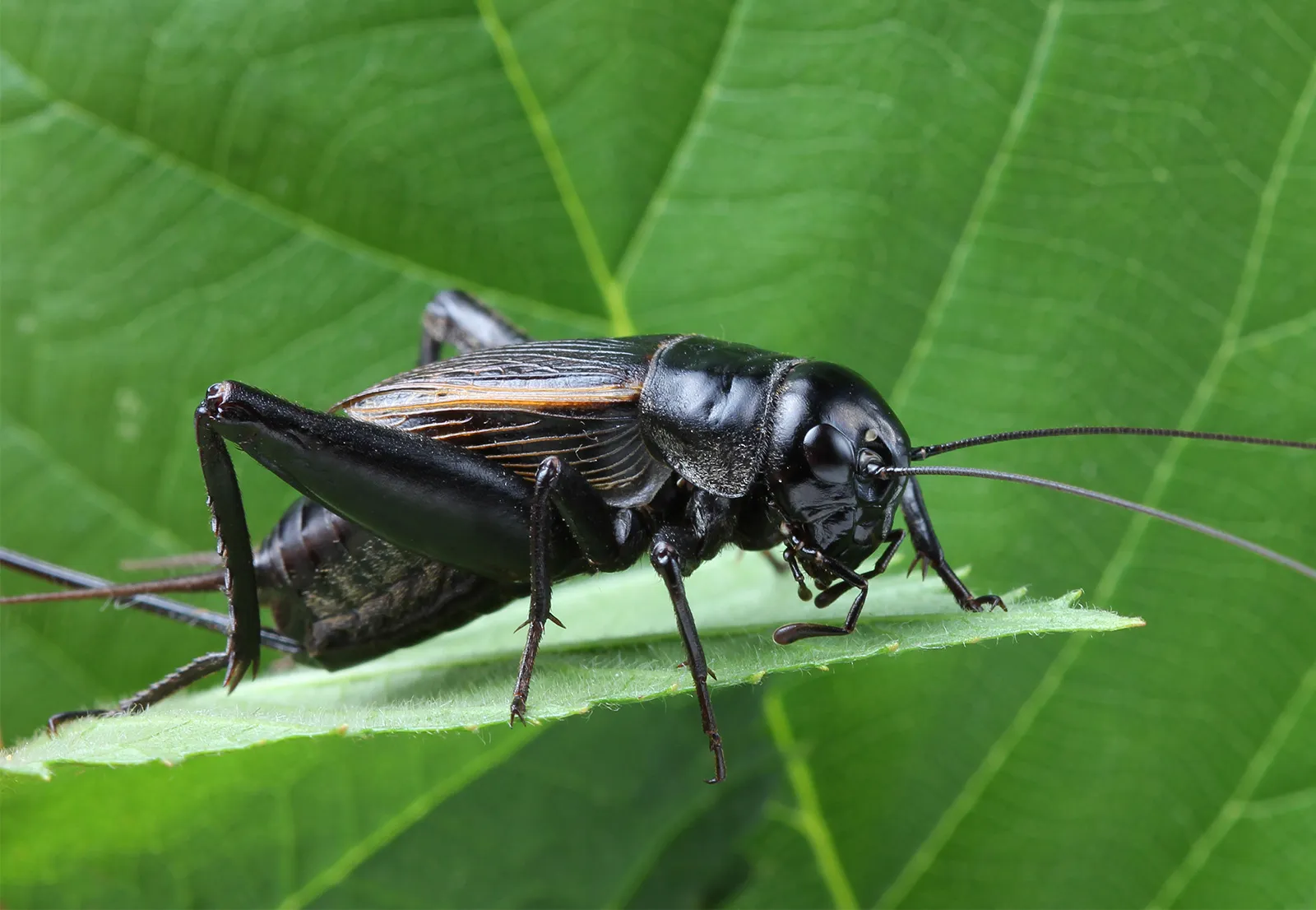
When randomly doomscrolling I have come across a video. "Can crickets tell the temperature outside??" and have decided to make a research on it. For most people, crickets are just some "noise of nature" or "loud and annoying bug" but it turns out there is more to these cute bugs. By counting the frequency of their chirps we can determine the temperature with some mathematical equations. Here is what I have found:
Much like a sluggish bumble bee on a cool spring morning or a lizard sunning on a rock, crickets move slower in cooler temperatures. This is because each of these animals is an ectotherm their body temperature depends on the temperature of their environment. As crickets warm, they can rub their wings together faster, which is how male crickets make the nightly repetitive chirp they use to attract mates[1]. The simple equation is called "Dolbear's Law."

With this equation we can determine the estimated temperature outside which is amazing to me. Who would stop and think "hey let me count this cricket's chirping and see what happens" but I guess that is what science is.
Also Dolbear didn't try this on every cricket when he made this formula he counted the chirping of a snowy tree cricket which is now nicknamed "the thermometer cricket" which is quite fitting.
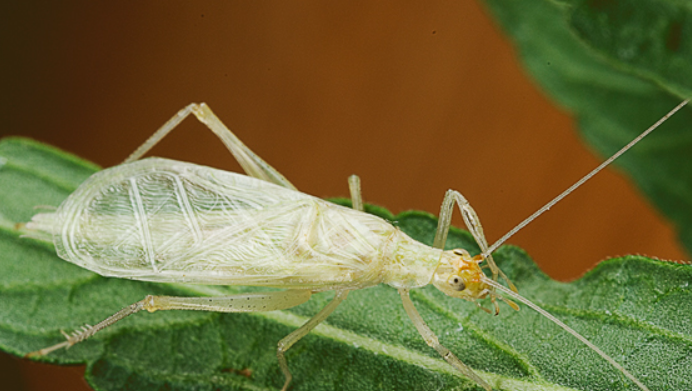
But this outcome can be different according to some environmental factors such as how close the crickets are to a warm building or what region you live in can make the outcome a little different.
It really is amazing that such an insignificant creature is actually quite useful if used/observed in a correct way. I wonder how many things we still don't know about the small things in nature that are actually important.